6,000 WAITING REVIEW
“The idea of people with cerebral palsy wanting to lead normal lives is not as difficult a concept as some might wrongly presume.”

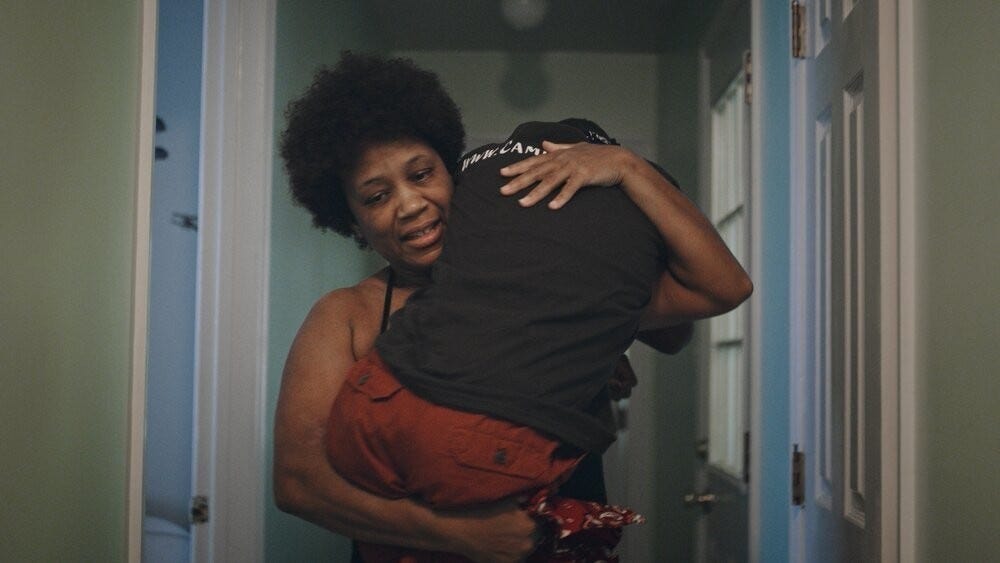
Those fortunate enough to be fully-abled in terms of their everyday lifestyle may not fully understand what the disabled go through daily, which is why Michael Joseph McDonald’s decision to focus on three such individuals in Georgia dealing with cerebral palsy is quite eye-opening.
Apparently, this short debuted almost five years ago with very little film festival play, examining how 6,007 Georgians are forced to wait on a long list to receive a waiver that will allow them to receive community-based disability services, rather than just being thrown into a nursing home for extremely impersonal treatment. 6,000 Waiting has become more relevant again due to a June 2026 decision by the federal Department of Justice, saying that states aren’t required to provide services in community services, which in itself goes against the Supreme Court’s decision in Olmstead v. L.C. The ideal is to have these individuals with disabilities living at home and leading as close to normal lives as possible, rather than shunting them into nursing homes. McDonald’s film explores this idea by focusing on three individuals in very different situations and telling their very personal stories.
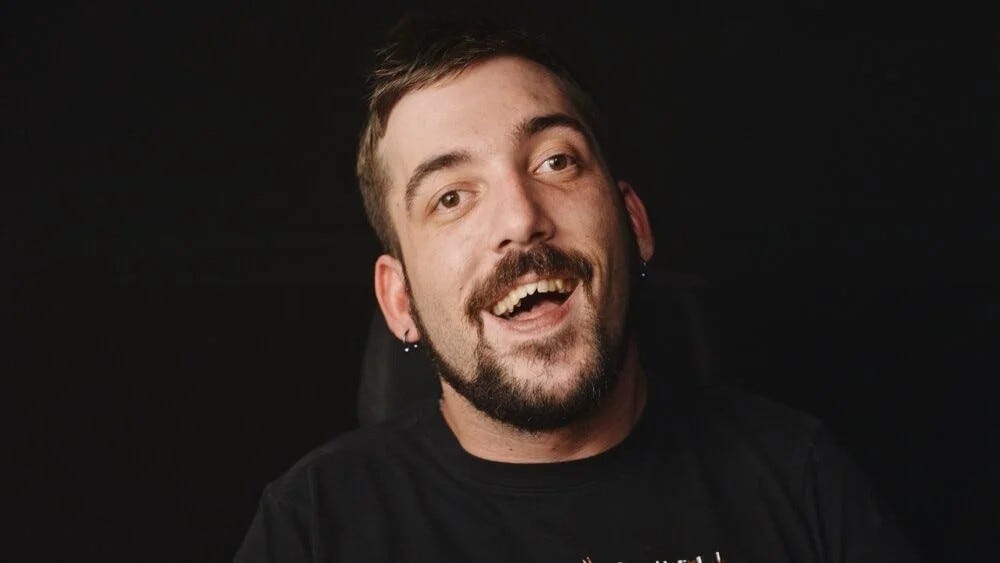
First, there’s Ben Oxley, a feisty, self-declared gun-shootin’ Southern “good ol’ boy” with cerebral palsy, who becomes the film’s spirited ersatz narrator for a portion of the movie to explain the history of the waiver system. He begins the film by explaining how people in the South are far more cordial, except when it comes to people with disabilities, where institutionalization became the norm, until a few people stepped in to try to help rather than “leaving them high and dry.” It’s no surprise that Ben just wants as normal a life as possible, which doesn’t seem possible after he graduates high school and is trapped at home, getting more and more depressed.
Next is Nick Papadopoulos, who had the misfortune of getting an infected bed sore while being hospitalized. When his mother dies, he’s shunted into a nursing home without anyone to get him out. He gets quite emotional, since all he wants is to get out of there and live the life he was living beforehand, but while in the hospital, he’s forced to sign away his rights without realizing it. Despite his horrible situation, Nick becomes an advocate for younger people with “different abilities,” since he knows younger people in those situations would still fare better out in the community, rather than being institutionalized.
Lastly, there’s Naomi Williams, whose son, Noah, was born with cerebral palsy after a very difficult pregnancy where he arrives months prematurely. Williams’ story gets in-depth into the racial disparity in the hospital system, which leads to further complications during her pregnancy with Noah. She’s a loving mother who just wants the best for her son, and she’ll do everything she can to make sure he can have as happy a life as possible.
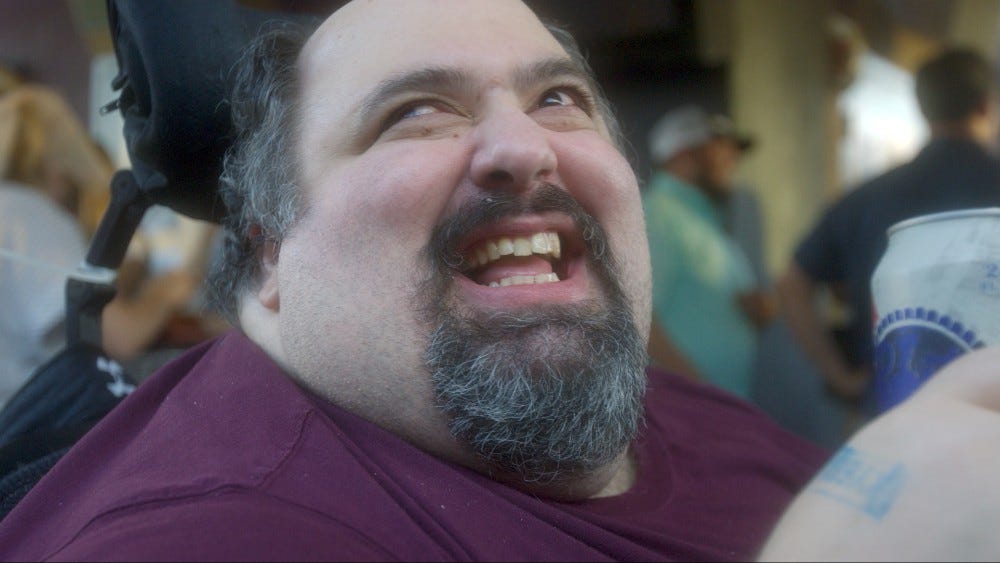
As a fully-abled person who went through almost a year of hospitalization under very different circumstances, I’ll admit that I didn’t fully understand the Georgia voucher system at first and how it affected these three individuals. The 30-minute film creates quite a contrast between Ben, who receives a waiver right after high school to live his life vs. Nick, who already had a full and productive life, before his bed sores sidelined him, taking away that life unless he’s able to get that all-important waiver. As the title drives home, he’s in a long line of 6,000 people on the list to get those waivers.
Michael Joseph McDonald has made quite a thought-provoking documentary short that deserves far more attention. At first, it might seem like a specifically regional topic, though what his three subjects are dealing with is something far more universal. 6,000 Waiting feels like a doc on par with others that have been shortlisted for Oscars, introducing a subject that feels like it needs to be expanded into a full-length feature to show these individuals’ further progress, and how they’re affected by the recent DoJ decision. It doesn’t feel as if things have improved, but the idea of people with cerebral palsy wanting to lead normal lives is not as difficult as some might wrongly assume.
Rating: 8/10
You can watch 6,000 Waiting for yourself on YouTube.